

Imagine waking to find your name smeared across a complaint site, drawing unwanted scrutiny from strangers. This digital sabotage can harm your reputation and livelihood overnight.
Discover how to stay calm, document evidence, verify legitimacy, contact moderators for takedowns, assess defamation risks, issue cease-and-desist letters, and consult legal experts when necessary. Reclaim control-read on.
Stay Calm and Document Everything
When discovering a damaging online complaint, immediately use tools like Wayback Machine and full-page screenshot extensions such as GoFullPage Chrome extension to create timestamped evidence. This step protects against evidence tampering claims later. Experts recommend acting fast to capture the complaint site post exactly as it appears.
Proper evidence collection strengthens your case for content removal or legal action. Sites like review platforms often delete or edit posts, making early documentation essential. Spend 15-30 minutes on this to build a solid record against defamation or harassment online.
Follow these numbered steps to document the negative review effectively.
- Take full-page screenshots using GoFullPage (free) or Fireshot ($39/yr) to capture the entire page, including your name and personal information.
- Archive the page via Wayback Machine (archive.org) and Archive.today for independent timestamps.
- Record the URL, date/time, and full post content in a Google Docs template, noting any anonymous post or false accusation.
- Save browser console errors and page source code by right-clicking “View Page Source” and exporting.
- Set up Google Alerts for your name plus the site name, like “John Doe PissedConsumer”, to monitor changes.
This process creates verifiable proof for takedown requests, site administrators, or defamation lawyers. For example, if it’s a Ripoff Report entry with reputation damage, archived copies show original libelous content. It also helps in online reputation management by tracking SEO reputation impacts.
Review the Complaint Site’s Terms
Ripoff Report, PissedConsumer, and Sitejabber each have specific TOS clauses prohibiting defamatory content and personal attacks. Search their footer links for Terms of Service and Ctrl+F for keywords like harassment or false statements. This step helps identify if the posting your name violates site rules.
Start by visiting the complaint site where your name appears in the negative review. Locate the terms of service or privacy policy, often in the footer. Check for sections on content removal and prohibited conduct to build your takedown request.
Common violations include anonymous false claims, doxxing, and competitor smears. These breach TOS on most platforms. Flag them via report buttons or support forms for faster review site action.
Document everything with screenshot evidence and archive pages. This supports your report abuse submission. Contact site administrators if initial flags fail.
| Site | TOS Link | Key Removal Clauses | Response Time | Success Rate |
| Ripoff Report | Footer TOS | No removal policy; corporate advocacy program only | Indefinite | Low |
| PissedConsumer | Footer TOS | 30-day review; prohibits defamation, harassment | Up to 30 days | Moderate |
| Sitejabber | [email protected] | Removes abusive content, false claims via email report | Days to weeks | Moderate |
| Trustpilot | trustpilot.com/legal | Bans fake reviews, personal attacks, doxxing | 1-14 days | High with evidence |
| BBB | bbb.org/process | Removes unverified complaints, libelous content | Business days | High |
Anonymous False Claims
Anonymous false claims often violate TOS by spreading defamation or libel. For example, Ripoff Report’s terms ban untrue statements damaging reputations. Submit a takedown request citing these clauses.
On PissedConsumer, flag posts with false accusations lacking proof. Sitejabber requires emailing abuse reports for fabricated stories. Trustpilot and BBB prioritize verified facts over anonymous posts.
Collect evidence like conflicting facts to prove falsity. This strengthens your content removal case. Escalate if no response.
Doxxing
Doxxing exposes personal information without consent, breaching privacy rules. Ripoff Report TOS forbids harassment online via private details. Report as a privacy violation.
PissedConsumer removes personal attacks with addresses or phones. Sitejabber’s policy targets doxxing in reviews. Trustpilot bans it outright; BBB flags as abusive.
Use DMCA notice if copyrighted info appears. Demand post deletion citing TOS breach. Monitor for cross-posting.
Competitor Smears

Competitor smears disguise as consumer complaints, violating fairness clauses. Ripoff Report terms prohibit business sabotage. Flag patterns of fake reviews.
Sitejabber investigates troll posts from rivals. PissedConsumer’s 30-day review catches smear campaigns. Trustpilot verifies purchase proof; BBB mediates disputes.
Report with IP traces or username links. This leads to account suspension. Pursue legal remedies for persistent reputation damage.
Verify the Post’s Legitimacy
Use Fakespot to analyze review authenticity with Grade A-D scores and SimilarWeb to check if the poster’s IP location matches their claimed location. These tools help spot fake reviews on complaint sites like PissedConsumer or Ripoff Report. They provide quick insights into potential defamation or privacy violations.
Start by confirming the post date against your business history or domain age via WHOIS lookup. A post claiming a purchase years before your site launched raises red flags for false accusations. This method uncovers anonymous posts meant to cause reputation damage.
- Check post date vs business history using WHOIS for domain age to detect anachronistic claims.
- Run a reverse image search on profile pics with Google or TinEye for stock photos or duplicates.
- Analyze writing patterns across the poster’s history for inconsistencies or copy-paste jobs.
- Verify if the site requires purchase proof and whether the poster provided any.
- Cross-reference with FTC complaint database for matching legitimate consumer complaints.
A real example involves a PissedConsumer fake review caught via IP geolocation mismatch. The poster claimed a local service but their IP traced to another country, signaling a troll post or competitor smear. Screenshot evidence and archiving via Wayback Machine preserve proof for takedown requests or site administrator reports.
Contact Site Moderators
Most complaint sites have dedicated abuse reporting forms – locate them via ‘Report Abuse,’ ‘Flag Content,’ or ‘Contact Moderator’ links typically in footer or post menu. Start by submitting your issue through these channels to alert site administrators. This initial step often triggers a moderator review for TOS violations like defamation or privacy breaches.
Provide clear evidence such as screenshots of the negative review mentioning your name and an archived URL via tools like the Wayback Machine. Reference specific sections of the site’s terms of service, such as rules against harassment online or false accusations. Expect varied response times, like Sitejabber’s typical 48 hours versus Ripoff Report’s 30+ days.
If no reply arrives within the site’s stated window, follow up via email to [email protected] or [email protected]. Track all communications to build a record for potential legal action. Many sites prioritize content removal when violations are well-documented.
Combine this with flagging the post as abusive content or a personal attack. Sites like PissedConsumer or Trustpilot often suspend accounts for repeated TOS breaches. Persistence here can lead to post deletion without further escalation.
Submit Takedown Request
Use this proven takedown template to request content removal from complaint sites posting your name. Customize it with details like the post ID, URL, and evidence of reputation damage. Attach required files such as a screenshot.pdf, archive link, and ID verification for faster processing.
Track submissions using a simple spreadsheet with columns for site name, submission date, and response status. This helps manage multiple takedown requests across platforms like Ripoff Report or Sitejabber. Experts recommend documenting everything for online reputation management.
Polite Request Variation: Subject: Formal Takedown Request – Post ID [12345]
Email Body: Dear Moderators, I am [Your Name] and request removal of the post at [Post URL] for violating your TOS Section [TOS Section #] on personal attacks (“No harassment or defamation allowed”). Attached are screenshots and archive link. Please confirm removal within 7 days. Contact: [Your Email/Phone]. Thank you.
Firm Demand Variation: Use similar subject. Body: This negative review at [Post URL] breaches TOS [Section #] by sharing personal information without consent, constituting a privacy violation. Evidence attached. Demand post deletion within 7 days, or I will escalate to [email protected]. Best, [Your Name], [Contact Info].
Legal Threat Escalation: Subject same. Body: The anonymous post at [Post URL] contains libelous statements violating TOS [Section #] (“Prohibit false accusations”). This causes reputation damage; attached proofs included. Cease hosting immediately within 7 days, CC [email protected], or pursue cease and desist. Regards, [Your Name], [Contact].
Check for Defamation or Harassment
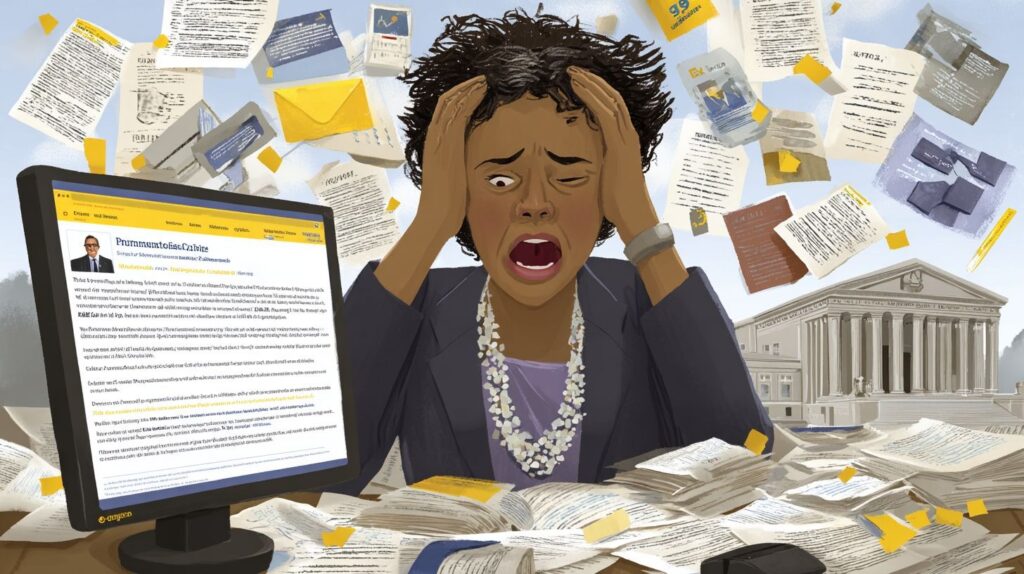
Defamation requires three elements: 1) a false statement of fact, 2) published to a third party, and 3) damages to reputation. This checklist, adapted from Cornell Law School’s defamation guide, helps you assess if a post on a complaint site crosses into defamation or harassment territory. Use it to evaluate the negative review mentioning your name.
Start by identifying the statement type in the online complaint. Is it a factual claim, an opinion, or pure harassment? False accusations can lead to reputation damage, while opinions often enjoy legal protection.
Document everything with screenshot evidence and archive pages. If it qualifies as defamation, consider a takedown request or legal action like a cease and desist letter.
| Statement Type | Defamatory? | Example | Legal Precedent |
| Accusation of crime | Yes | “John stole $10,000 from clients.” | NY Times v. Sullivan (actual malice standard for public figures) |
| Professional incompetence | Maybe | “Dr. Smith botched my surgery on purpose.” | Milkovich v. Lorain (implies verifiable facts) |
| Opinion (‘sucks’) | No | “This lawyer’s service sucks.” | Protected as opinion under First Amendment |
| Harassment or doxxing | Yes (civil claim) | Posting home address with threats. | State anti-SLAPP laws (e.g., CA protects against frivolous suits) |
Review state-specific laws like California’s anti-SLAPP protection, which shields good-faith complaints but allows countersuits for abuse. In 2023, courts awarded $1.2 million against a Yelp poster for false claims, showing real risks for defamers. Consult a defamation lawyer if the post involves personal information or repeated harassment online.
Harassment often overlaps with cyberbullying or doxxing on sites like Ripoff Report or PissedConsumer. Flag it as abusive content to site admins for potential account suspension. This step supports online reputation management efforts.
Send Cease and Desist Letter
A properly drafted cease and desist letter on attorney letterhead resolves many online defamation cases without court filing. This step targets the poster or site hosting your name on a complaint site. It demands removal of false accusations causing reputation damage.
Start with attorney letterhead, available for $50-150 from services like LegalZoom. Quote the specific false statements verbatim, such as “Your name posted a fraudulent scam review“. Cite relevant legal violations like your state’s defamation statute or libel laws.
Include a 10-day removal deadline and reservation of rights to pursue further action. Send via certified mail for $8.45 to prove delivery. Free templates from RocketLawyer or Nolo help customize quickly.
Follow these numbered components for an effective C&D letter:
- Use attorney letterhead ($50-150 from LegalZoom) to add authority.
- Quote specific false statements from the online complaint, like “John Doe stole my money“.
- Cite legal violations, such as your state defamation statute for libel or slander.
- Set a 10-day removal deadline for the negative review or post.
- End with reservation of rights to file suit if ignored.
Consult a Lawyer if Needed
Search ‘defamation attorney [your city]’ on Avvo.com, then filter for 5+ star ratings and 10+ years experience, or use prepaid legal services like LegalShield ($29/mo unlimited consults). These steps help you find experts in defamation and libel who handle reputation damage from complaint sites. A quick consultation clarifies if your case involves false accusations or harassment online.
Legal help becomes essential when initial takedown requests fail. Lawyers draft cease and desist letters or pursue court order removal for posts on sites like Ripoff Report or PissedConsumer. They also assess privacy violations, such as doxxing with personal information.
Escalate to a lawyer if the site administrator gives no response in 14 days, the negative review appears on multiple sites, or business damages exceed $10k. Collect screenshot evidence and archive pages via Wayback Machine before consulting. This prepares you for options like injunctions or lawsuits.
Experts recommend starting with affordable services for online reputation management. A defamation specialist evaluates if the post qualifies as slander or libel, especially for ex-employee rants or competitor smears. Professional advice prevents escalation while protecting your digital footprint.
Comparison of Legal Options
| Service | Cost | Response Time | Success Rate | Best For |
| Avvo | Free-$300/hr | Days | Varies by case | Quick consults, local searches |
| LegalShield | $29/mo | Immediate access | High for advice | Unlimited calls, prevention |
| RocketLawyer | $39.99/doc | Hours to days | Good for templates | DIY letters, takedown requests |
| Local defamation specialist | $250-500/hr | Weeks | Strong in court | Serious cases, lawsuits |
| Pro bono via Electronic Frontier Foundation | Free | Months | High for rights cases | Privacy violations, free speech issues |
Use this table to pick based on your needs, like content removal from Yelp or Google reviews. For example, LegalShield suits ongoing reputation monitoring, while specialists handle court orders. Always verify lawyer credentials first.
Frequently Asked Questions

What to do when someone posts your name on a complaint site?
If someone posts your name on a complaint site, stay calm and first document everything by taking screenshots of the post, including the date, time, and URL. Review the site’s terms of service and reporting policies to submit a removal request, citing reasons like defamation, harassment, or violation of privacy if applicable. Consult a lawyer if the content is false and damaging to your reputation, as you may have grounds for a defamation claim. Monitor the site for further posts and consider reporting to authorities if it involves threats or illegal activity. Finally, protect your online presence by adjusting privacy settings on your personal profiles.
What are the immediate steps when someone posts your name on a complaint site without permission?
The immediate steps when someone posts your name on a complaint site without permission include capturing evidence with screenshots, identifying if the content is defamatory or false, and contacting the site administrator via their designated complaint or takedown form. Provide clear details on why the post violates their rules, such as inaccurate information or doxxing. Avoid engaging directly with the poster to prevent escalation, and notify your lawyer or local consumer protection agency if it’s impacting your business or personal life significantly.
How can I get my name removed if someone posts it on a complaint site?
To get your name removed from a complaint site, start by submitting a formal removal request through the site’s support or moderation team, referencing specific policies against false claims or personal attacks. Include evidence like screenshots and proof of inaccuracies. If the site doesn’t respond, escalate by sending a cease-and-desist letter via a lawyer. In cases of severe harm, pursue legal action under defamation laws, and consider services like reputation management firms that specialize in online content removal. Persistence and documentation are key.
Is it defamation if someone posts my name on a complaint site with false information?
Yes, posting your name on a complaint site with false information can constitute defamation if it harms your reputation, such as accusing you of crimes or professional misconduct without evidence. What to do when someone posts your name on a complaint site in this way: Gather proof of the falsehoods (e.g., documents showing the claims are untrue), report it to the site for removal, and consult an attorney to assess filing a lawsuit. Laws vary by jurisdiction, but truth is a defense, so baseless accusations strengthen your case. Act quickly to mitigate damage.
What legal options do I have when someone posts my name on a complaint site?
Legal options when someone posts your name on a complaint site include sending a DMCA takedown notice if copyrighted material is involved, pursuing a defamation lawsuit if statements are provably false and damaging, or seeking an injunction to force removal. What to do when someone posts your name on a complaint site legally: Document everything, hire a lawyer specializing in internet law, and consider small claims court for minor damages. In extreme cases involving harassment, involve law enforcement. Many sites also comply with right-to-be-forgotten requests in certain regions like the EU.
How do I protect myself after someone posts my name on a complaint site?
To protect yourself after someone posts your name on a complaint site, enhance your online security by using strong privacy settings, monitoring your name via Google Alerts, and building positive online content to dilute negative posts. What to do when someone posts your name on a complaint site for ongoing protection: Report the incident to credit bureaus if it affects your finances, inform professional networks if relevant, and consider identity theft protection services. Engage a reputation repair expert to suppress the complaint in search results over time.




Leave a Reply