
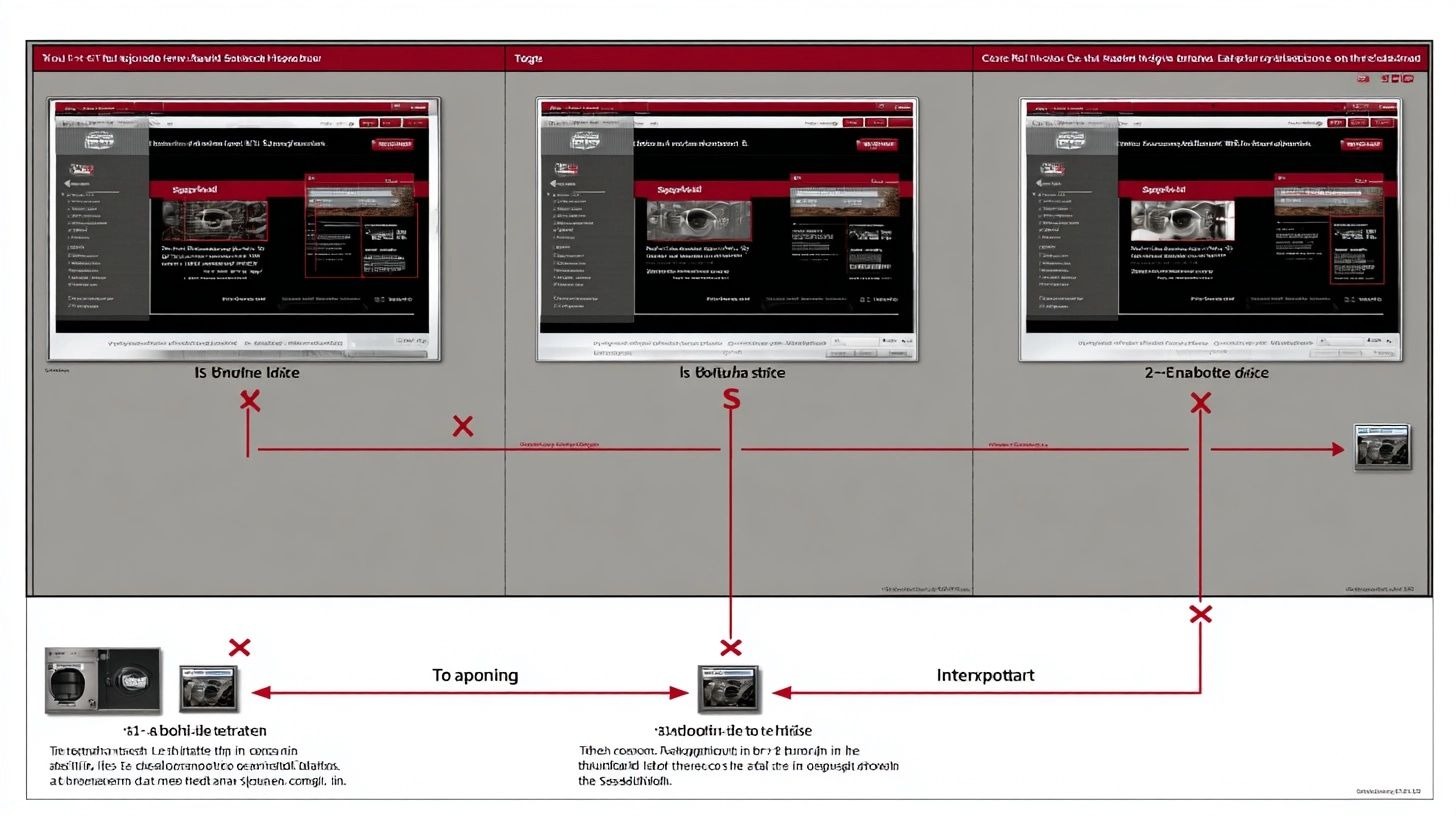
When a link lands in search results, its visibility can shape reputations and revenue alike. Removal, suppression, and de-indexing each offer distinct ways to manage that visibility. This overview clarifies how the three approaches differ in permanence, cost, and impact.
Understanding Removal
Website owners often need to control how their pages appear in search engine results. URL removal completely eliminates pages from Google Search Console results using Google’s official removal tool. This process helps address urgent situations where pages must disappear quickly from search visibility.
Understanding the mechanics behind removal helps site admins make informed decisions. The tool works by sending a direct request to Google that affects how pages show up in search results. This differs from other methods that rely on website configuration changes.
Removal serves as a temporary solution in most cases. It allows webmasters to handle immediate concerns while planning longer term fixes. The approach provides quick relief when pages need to stay hidden from users searching for specific content.
Many site owners confuse removal with other techniques like suppression or de-indexing. Each method affects search results differently and works through separate mechanisms. Knowing these distinctions helps choose the right approach for each situation.
What Removal Means
Removal means submitting a URL removal request through Google Search Console which temporarily removes pages from search results for up to 6 months. This process requires specific steps to ensure the request reaches Google correctly. The tool lets webmasters target exact pages rather than entire domains.
Start by opening the Google Search Console URL Inspection tool. Enter the exact URL you want to remove from search results. Select either the Request Indexing or Remove URL options depending on your needs. Choose between temporarily hide or remove cached URL only based on your specific situation.
Submit the request and wait for verification. Requests process within 2-5 days after submission. This timeline gives Google time to review and implement the change across its systems. The process works best when you follow each step carefully.
One common mistake involves submitting the root domain instead of specific URLs. This error can affect more pages than intended. Always double check the exact page address before submitting to avoid unintended consequences for your site.
When Removal Is Used
Use removal for urgent situations like DMCA copyright violations, GDPR right to be forgotten requests, or exposed personal data that needs immediate removal from SERPs. This method works well when pages contain sensitive information that should not appear in search results. The tool provides quick action when time matters most.
Legal situations often require fast removal. Filing DMCA notice removes infringing URLs within 24-48 hours for a photography blog owner. Privacy concerns also benefit from this approach. EU users submitting GDPR requests remove pages containing personal information quickly through the proper channels.
Security issues call for immediate attention as well. Exposed admin login URLs removed after a crawl delay help protect sites from unauthorized access. Reputation management also uses this tool. Old blog posts containing confidential client data removed via GSC tool prevent unwanted exposure.
Temporary removal lasts 6 months maximum. This timeframe gives site owners time to address underlying issues. During this period, pages stay hidden from search results while permanent solutions get implemented.
Understanding Suppression
Suppression prevents pages from appearing in search results without completely removing the URL from the website. This approach keeps the content accessible to visitors while ensuring it does not show up in search engine rankings. Website owners often turn to suppression when they want to manage visibility without disrupting the overall structure of their site.
Suppression works differently from removal because it does not delete files or return error codes. Instead, it uses specific directives to tell search engines which pages to exclude from their results. This method allows site admins to maintain control over what appears in search results while preserving the actual pages for other uses.
The technique proves useful when content needs to stay on the server for internal purposes or user access. Search engines still crawl these pages, but they receive instructions not to index them for public display. This creates a balance between keeping pages functional and controlling their search visibility.
Understanding when to apply suppression helps webmasters avoid common pitfalls associated with full removal. The method supports better management of duplicate content issues and prevents unnecessary indexing of low value pages. Site owners gain flexibility in how they handle content that serves a purpose but should not rank in organic search.
What Suppression Means
Suppression uses meta robots noindex tags or X-Robots-Tag HTTP headers to instruct search engines not to display pages in SERPs while keeping them crawlable. This technique allows website owners to control indexing status without deleting files from their servers. The approach maintains crawlability so search engines can still understand the site structure.
Several methods exist for implementing suppression across different website setups. Each approach offers distinct advantages depending on the technical environment and scale of implementation needed.
| Method | Implementation | Difficulty | Duration |
| Meta robots tag | HTML | Easy | Permanent until removed |
| X-Robots-Tag | Server-level | Medium | Site-wide |
| Canonical tags | rel=canonical | Easy | Duplicate handling |
Meta robots suits WordPress sites using Yoast SEO plugin, while X-Robots-Tag works better for custom CMS requiring server configuration. The er robots tag provides a simple solution for content management systems with plugin support. X-Robots-Tag offers more consistent application across an entire site when configured at the server level.
Canonical tags serve a different purpose than noindex tags. They guide search engines to the preferred version of duplicate pages rather than blocking indexing completely. This approach helps consolidate ranking signals to the correct URL without eliminating pages from the crawl process.
When Suppression Is Used
Use suppression for duplicate pages, paginated content, and internal search results that should not rank but need to remain crawlable for site structure. This method allows webmasters to address content issues without resorting to complete removal from the website. The flexibility makes suppression a practical choice for many common website management scenarios.
Website owners apply suppression in specific situations where content needs to stay available but should not appear in search results. These scenarios often arise when managing large sites with repeated patterns or special types of pages.
- Apply noindex to paginated archive pages on WordPress blogs
- Suppress duplicate product pages using canonical tags
- Block parameter URLs with URL parameter tool in Google Search Console
- Hide search result pages from internal site search
- Prevent indexing of staging environment URLs
E-commerce site reduced indexed pages from 2,400 to 1,800 after implementing suppression strategy. This type of adjustment helps concentrate ranking signals on the gew pages that matter most. The example illustrates how suppression can improve overall site management without drastic changes.
Suppression requires ongoing monitoring to ensure the directives continue to work as intended. Webmasters should check indexing status regularly using available tools to confirm that pages remain excluded from search results. This regelmige review process keeps the strategy effective over time.
Understanding De-indexing

De-indexing permanently removes pages from search engine indexes through complete crawl blocking. This approach differs from other removal methods because it targets the indexing process itself rather than waiting for search engines to notice changes. Website owners use this technique when they need to control which pages appear in search results over time.
Many site admins turn to de-indexing when certain sections of their site no longer serve user needs. The process involves technical steps that prevent search engines from accessing specific URLs entirely. This creates a more permanent solution compared to other approaches that might allow temporary visibility.
What De-indexing Means
De-indexing blocks search engines from crawling and indexing pages by using robots.txt disallow directives or returning 410 Gone status codes. This method works at the root level of how search engines discover and store content. Understanding these mechanisms helps webmasters make informed decisions about their site’s search visibility.
Site owners can follow several steps to implement de-indexing effectively. Start by creating or editing the robots.txt file in the root directory. Then add Disallow directives for specific folders such as /admin/ or /old-content/. Next submit an updated sitemap to Google Search Console removing unwanted URLs. Return a 410 Gone HTTP status for permanent removal. Finally monitor crawl stats in GSC showing reduced crawl requests.
Changes appear in search results within 1-4 weeks. This timeframe allows search engines to recrawl the site and recognize the new directives. Monitoring progress during this period helps confirm that the desired pages drop from indexing status.
A common mistake involves blocking the entire site with robots.txt Disallow: / instead of specific directories. This error can remove all pages from search visibility unintentionally. Always target specific paths rather than applying broad directives across the whole domain.
When De-indexing Is Used
Use de-indexing for spam pages, duplicate directories, and low-quality content sections consuming crawl budget without adding search value. These situations often arise when sites grow over time and accumulate content that no longer serves users. Addressing these issues helps maintain a cleaner site structure.
Spam problems occur when auto-generated pages flood a site and waste resources. Duplicate content creates confusion for search engines trying to identify the most relevant version. Low-quality pages with little value drag down overall site perception in search rankings.
Tech blog penalized for thin content recovered after de-indexing 120 low-quality posts, restoring organic traffic from 2,400 to 8,900 monthly visitors. This case illustrates how addressing problematic content through de-indexing can improve overall site performance. Similar situations arise across different industries when sites need to clean up their content portfolio.
De-indexing works well alongside other content management strategies. Website owners should evaluate their site regularly to identify sections that need attention. Regular reviews prevent the accumulation of problematic pages that affect search visibility over time.
Key Differences Compared
Removal provides immediate SERP removal lasting 6 months, suppression keeps pages crawlable but hidden, and de-indexing blocks crawling entirely with permanent effects. Each method serves distinct purposes depending on your website goals and technical requirements. Website owners select the right approach based on urgency and long term visibility needs.
Understanding these distinctions helps webmasters make informed decisions about search visibility. The choice affects how search engines treat your pages over time. Different situations call for different solutions depending on whether you need temporary or permanent changes.
Implementation methods vary significantly across these three approaches. Some require direct access to server files while others use simple form submissions. The technical complexity differs based on which option you choose for your specific needs.
Evaluating the impact on crawl budget and overall site performance guides the decision making process. Each method creates different outcomes for your indexed pages and search results visibility. Practical application depends on your immediate goals and technical resources.
Method Comparison Table
Side by side comparison helps clarify the practical differences between these approaches. The table below outlines key characteristics including duration, reversibility, and implementation tools. Website owners can reference this overview when selecting the appropriate method.
| Method | Duration | Reversible | Crawl Impact | Implementation Tool |
| Removal | Temporary, 6 months | High | No crawl impact | Google Search Console |
| Suppression | Permanent until removed | Medium | Maintains crawl | Meta robots, X-Robots-Tag |
| De-indexing | Permanent | Low | Eliminates crawl | Robots.txt, 410 Gone |
Practical Use Cases
Removal works well for urgent legal issues where immediate action matters. This temporary approach addresses situations requiring quick removal from search results. Legal removal requests often benefit from this method due to time sensitivity.
Suppression suits duplicate pages where you want to hide content without stopping search engines from accessing it. This method maintains crawlability while preventing unwanted visibility. Duplicate content issues commonly use this approach for better organization.
De-indexing fits spam directories and low quality pages that need permanent removal from search results. This hard block approach eliminates crawl access entirely. Website owners apply this method when content no longer serves any purpose for organic search visibility.
Choosing the Right Method

First sentence: Choose URL control methods based on urgency, permanence needs, and whether pages should remain crawlable for SEO structure.
Website owners face different situations that call for specific approaches to managing what appears in search results. Urgent legal matters or privacy concerns require immediate action through proper channels. These cases often involve sensitive information that needs to be handled with care and speed.
Content structure also plays a role in method selection. Some pages serve important technical purposes even when they duplicate other content. Search engine crawlers need to understand the site layout to index important pages effectively.
Quality issues represent another common scenario. Pages filled with thin content or spam can waste resources that search engines would otherwise use for valuable material. Resource management becomes essential for maintaining healthy site performance over time.
Is this urgent legal/privacy issue?
Legal and privacy situations demand the fastest response available. When content violates laws or exposes personal data, removal via Google Search Console provides the quickest path to action. This method works well for copyright claims, privacy violations, or sensitive information that should not appear publicly.
The process begins with submitting a request through established tools. Google Search Console allows site owners to request immediate removal from search results. This approach proves most effective when dealing with time sensitive matters that cannot wait for gradual changes to take effect.
Documentation supports these requests effectively. Clear evidence of the legal issue helps processing move forward smoothly. Website administrators should gather all relevant details before submitting their request to avoid delays in handling.
Once approved, the change happens quickly compared to other methods. Search visibility for the affected page drops immediately. This rapid response makes removal the preferred choice for situations requiring immediate protection of privacy or legal compliance.
Is content duplicate or paginated but structurally needed?
Duplicate content and paginated sections often serve valid purposes on a website. These pages help users navigate large catalogs or view filtered results. Suppression with noindex tags allows search engines to crawl these pages while preventing them from appearing in search results.
The meta robots tag controls how search engines handle these pages. By setting the noindex directive, site owners tell crawlers to skip indexing while still allowing them to discover linked pages. Site structure remains intact for proper crawling and navigation.
Internal linking stays active with this approach. Page rank can flow through these pages to other important sections of the site. This method preserves technical functionality while controlling search appearance.
Many sites use this technique for product listings, archive pages, and filtered views. Content suppression keeps the site functional for users and crawlers alike. It represents a balanced solution when complete removal would harm overall site performance.
Is content spam/thin and consuming crawl budget?
Low quality pages drain resources that search engines could use for better content. Spam directories and thin content pages compete with valuable material for attention. De-indexing with robots.txt blocks crawlers from accessing these areas entirely.
The robots exclusion file sits in the root directory of a site. It tells search engines which paths they should avoid accessing. Crawl budget gets redirected toward pages that deserve indexing and ranking consideration.
This method works best for large volumes of problematic content. Website owners can block entire directories or patterns of URLs at once. The approach proves efficient when dealing with many similar pages that add no value.
Search engines respect these directives when properly configured. Indexing status for blocked paths changes as crawlers update their records. This permanent solution suits situations where content should never appear in search results again.
Example Scenario
A marketing agency managing 50 client sites uses removal for 12 legal pages monthly, suppression for 340 duplicate pages, and de-indexing for 85 spam directories.
This example illustrates how different methods serve distinct purposes. Each technique addresses specific challenges without compromising the others. Technical SEO requires understanding when to apply each approach based on content quality and urgency.
Daily operations for site admins involve evaluating new pages and existing content. Content evaluation helps determine which control method fits the current situation. Practical experience develops the judgment needed to make these decisions consistently.
Frequently Asked Questions
1. What is the difference between removal, suppression, and deindexing?
Removal means deleting content from the source so it no longer exists online. Suppression means reducing the visibility of unwanted content by pushing it lower in search results or making better content more visible. Deindexing means removing a page from search engine results while the original page may still remain live.
2. What does content removal mean?
Content removal means the content is taken down completely from the website, platform, or server where it was published. Once removed, people should no longer be able to access it from the original location.
3. What does suppression mean?
Suppression means making negative or unwanted content harder to find without deleting it. This is usually done by creating or promoting stronger, more positive, and more relevant content so the unwanted result appears lower in search results.
4. What does deindexing mean?
Deindexing means search engines stop showing a specific page in their results. The page may still exist online, but it will not appear when people search for related terms. Someone with the direct URL may still be able to access it.
5. Which option removes content completely?
Removal is the only option that removes content completely from the source. If the goal is to make the content disappear from the website or platform where it was published, removal is the strongest option.
6. Which option only hides content from search engines?
Deindexing hides content from search engine results. It does not delete the content itself. The page can still exist on the original website, but search engines are instructed not to list it.
7. Which option makes content harder to find but does not delete it?
Suppression makes content harder to find by reducing its visibility. It does not remove the content or always deindex it. Instead, it focuses on pushing unwanted results down and improving the visibility of better content.
8. Can people still access deindexed content?
Yes. If someone already has the direct URL, they may still be able to access deindexed content. Deindexing only affects search engine visibility, not the existence of the page itself.
9. What is a simple example of removal, suppression, and deindexing?
Think of a library. Removal is like throwing a book away. Suppression is like placing the book on a lower shelf behind many better books. Deindexing is like removing the book from the library catalog, even though the book is still sitting on the shelf.
10. Which method is best for reputation management?
The best method depends on the situation. Removal is best when content is false, illegal, private, or violates platform rules. Deindexing is useful when content should not appear in search results. Suppression is helpful when removal or deindexing is not possible and the goal is to reduce visibility over time.




Leave a Reply